pharmaceutical machineries, packing materials and


inspección de moho de aire.
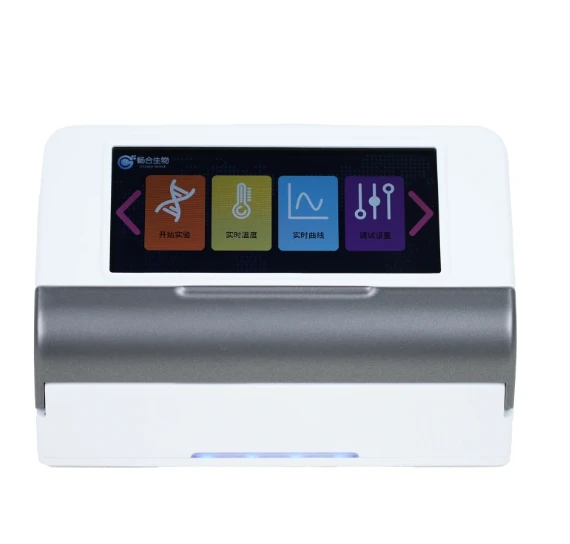
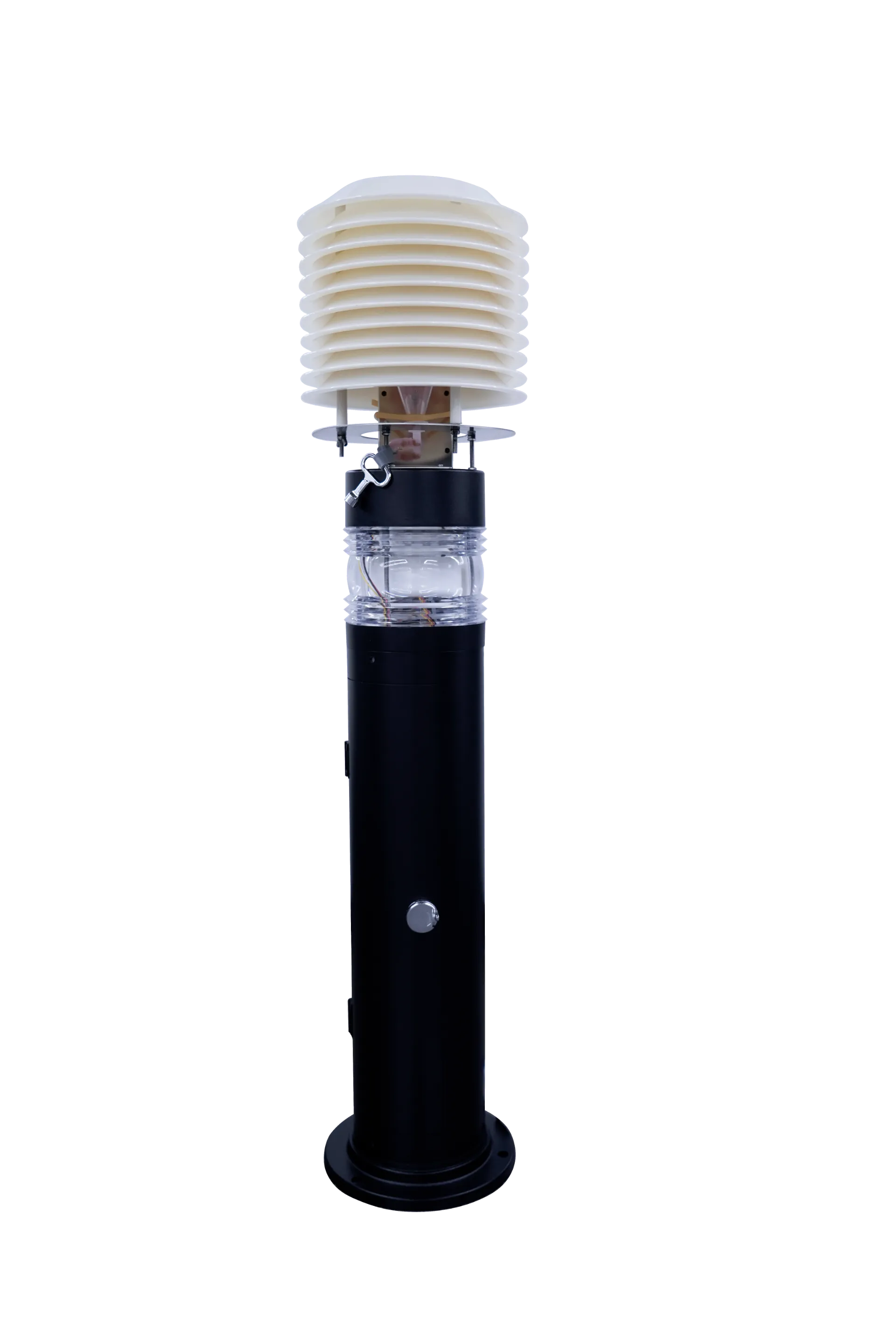
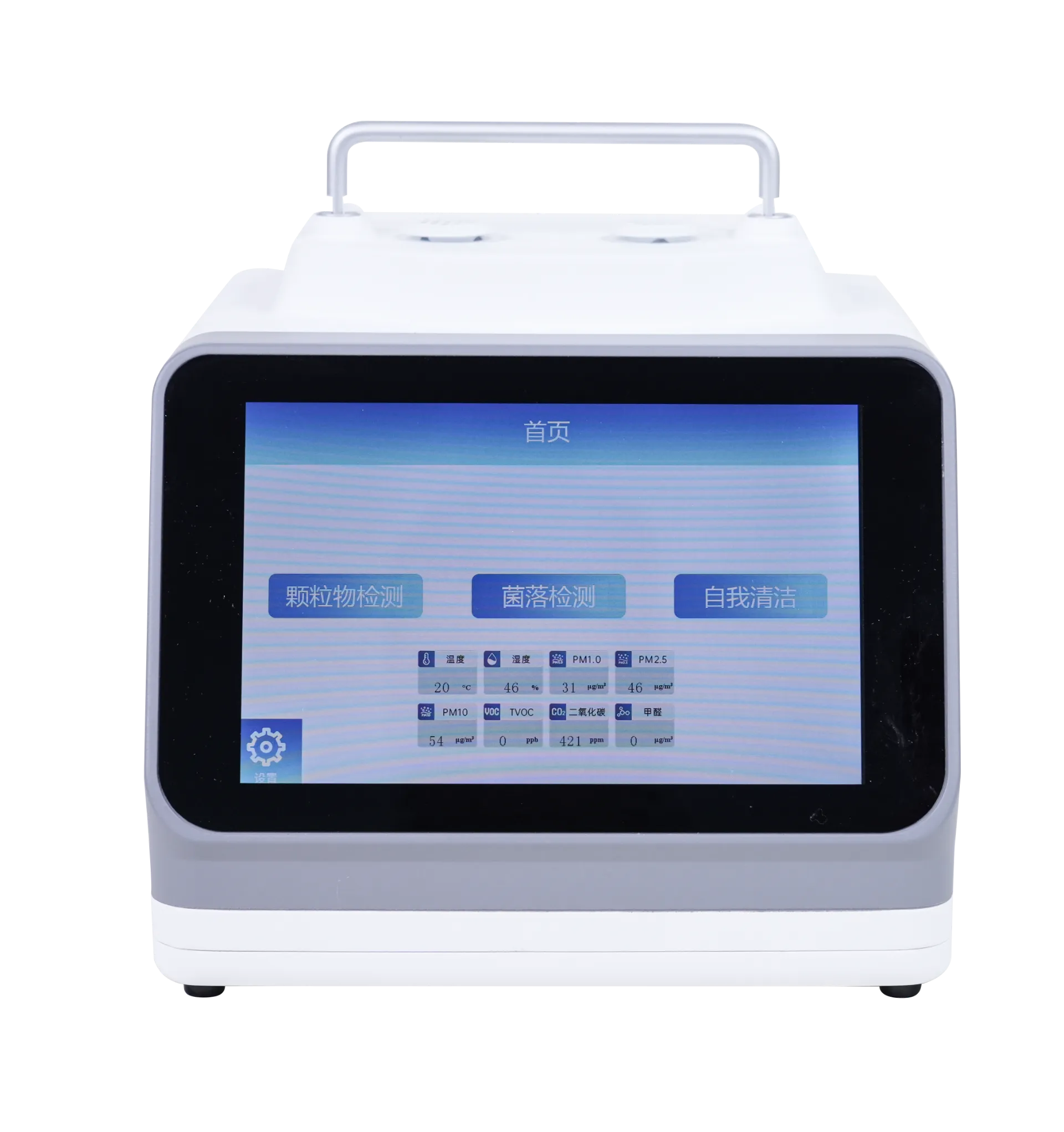
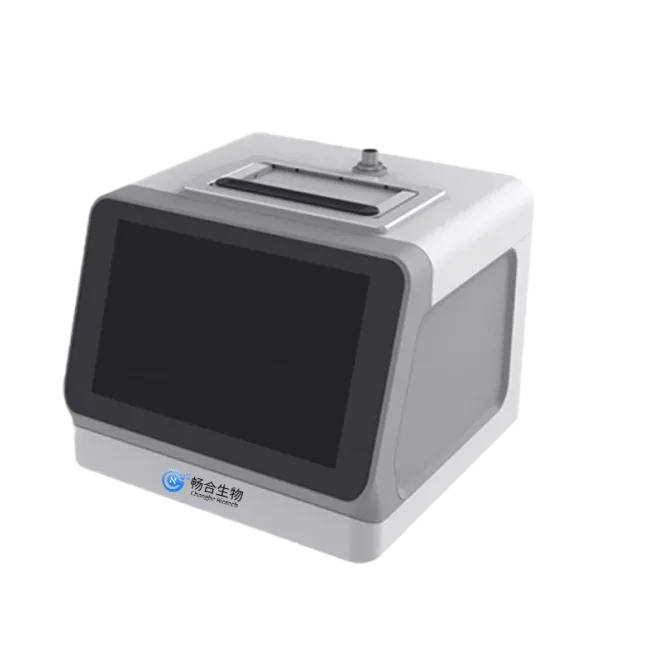
Indoor air quality is increasingly at the forefront of public health and industrial safety. Air sample mold test strategies, and reliable mould detector devices and mould testing equipment , have become industry essentials to prevent health hazards, asset losses, and regulatory non-compliance. This article delivers a deep-dive analysis into the current industry trends, manufacturing processes, authoritative standards, and competitive advantages of air sample mold test technology—featuring the cutting-edge Bioaerosol Monitoring Device . Figure: Real-world air sample mold test operation in the field 1. Industry Trends & Market Insights Key Market Statistics: Global demand for air sample mold test solutions is projected to grow by 6.4% (2024–2030 CAGR) ( Grand View Research ). Around 21% of buildings surveyed in 2023 showed actionable levels of airborne mold ( EPA Study ). Technological advances in biosensor and spectrometry-based mould detectors are dramatically enhancing detection sensitivity and automation. Demand for fast, reliable, and cost-efficient mold mildew inspection has surged—particularly in critical environments such as hospitals, semiconductor plants, the petrochemical sector, and water treatment facilities. Quality control, workplace regulations, epidemic prevention, and ESG (environmental, social, governance) frameworks continuously push for innovative, robust air sample mold test equipment and protocols. 2. Bioaerosol Monitoring Device : Overview & Competitive Advantages The Bioaerosol Monitoring Device ( product detail page ) is a next-generation platform designed to provide air sample mold test operability in high-demand, regulatory-sensitive environments. As the industry moves towards high throughput, real-time data, and automated reporting, this device integrates advanced sampling, robust construction, and trusted standards compliance. Technical Highlight Table: Typical Air Sample Mold Test System Parameters Parameter Value Industry Standard/Remark Sampling Flow Rate 28.3–100 L/min ISO 16000-18/ANSI Particle Size Detection 0.3 μm – 10 μm EPA/NIOSH Thresholds Mold Identification Range Aspergillus, Penicillium, Cladosporium, etc. Industry ASTM D7391 Operating Temperature -10°C to +50°C Industrial environments Automation Capability Auto-calibration & Data Logging 21 CFR Part 11 (data integrity) Figure: Bioaerosol Monitoring Device key features breakdown 3. Engineering Process of Air Sample Mold Test : Work Flow & Manufacturing 1. Material Selection 304/316L Stainless Steel, Ultem™ plastics, anodized aluminum → 2. Precision Production CNC Machining, Injection Molding, Robotic Assembly → 3. Sensor Calibration ISO 21501-4, ASTM certified → 4. QC & Traceability Each device serialized, 48H stress test, QMS ISO 9001/14001 → 5. Packaging & Logistics Laboratory-certified sterile packaging Process Illustration Manufacturing process (Step 2) showing high-precision CNC shell formation for air sample mold test device. 4. Technical Comparison: Mould Detector Device & Mould Testing Equipment Attribute Bioaerosol Monitoring Device Traditional Plate Sampler Material 316L Stainless Steel / Ultem Composite ABS/Polycarbonate Sampling Rate 30–120 L/min; adjustable 10–30 L/min; fixed Particle Range 0.3–10 μm, 6 channels 2–10 μm, 2 channels Automation Cloud support, auto-cleaning, remote diagnostics Manual only Detection Speed ≤60s (real-time) 3–7 days (plate culture) Compliance ISO 16000-18/ASTM/NIST Partial ISO/Old local Warranty 3 Years 1 Year Figure: Real-time vs plate-based sampling speed comparison 5. Product Customization & Industry Use Cases Bioaerosol Monitoring Device stands out not only due to technical performance but also flexibility in OEM/ODM customization —catering to sector-specific needs. Petrochemical/Refineries: Robust, explosion-proof casings; conforms to ATEX/IECEx; continuous air sample mold test monitoring of process air and storage zones Metals & Foundries: High-temp tolerant (up to 55°C), corrosion-resistant; rapid alert system for maintenance teams Water/Wastewater Treatment: Specialized anti-fouling coatings; remote wireless data transmission to SCADA/PLC Pharmaceutical Cleanrooms: ISO 14644 and USP 797/800 certified; supports CFR Part 11 compliance; auto-reporting feature for audits Museums/Archives: Low-noise, sensitive to rare mold spores; Bluetooth connectivity for conservation management Case Reference Sector Solution Deployed Performance Data Singapore General Hospital Healthcare 12 devices Auto-alerts & CFR Part 11 logs 99.8% detection accuracy response: <1 minute CNPC Daqing Refinery Petrochemical Ex-proof model SCADA integration Continuous uptime, 0.5% signal drift/year London Museum Archive Heritage Mobile sampling kit BLE reporting Identified rare spore event, <1h mitigation 6. Technical Specifications: Bioaerosol Monitoring Device Specification Value Sampling Flow Rate Up to 120 L/min, digitally adjustable (±2% accuracy) Detection Particle Size 0.3–10 μm (6-channel optical sensor) Material 316L stainless steel body, anti-static grade Ultem™ plastics Operating Temperature/Humidity -10°C–55°C / 0–99% RH (non-condensing) Display/Interface 4.3” capacitive touchscreen, LAN/WiFi/Bluetooth, MODBUS TCP/RTU Power Supply AC 100–240V, 24VDC, UPS-ready Certifications ISO 9001, CE, RoHS, ATEX (optional) Warranty 36 months (standard) Application Advantages Energy Efficient: High-sensitivity but low-consumption sensor system ( 50% less power vs traditional units) Corrosion Resistant: 316L body withstands 5,000+ salt spray test hours Digital Traceability: Unique serial+blockchain data stamps for every air sample mold test batch FDA/ISO/ASTM-aligned reporting formats 7. Vendor Comparison: How Bioaerosol Monitoring Device Outperforms Figure: Detection accuracy & service life comparison to major mold monitoring vendors (2024 published data) 8. FAQs: Technical & Application Details Q1: What material grades are used for the critical parts? Bioaerosol Monitoring Device uses 316L stainless steel for all mold-exposed surfaces, offering superior corrosion resistance and low outgassing—essential for repeated air sample mold test applications in aggressive industrial atmospheres. Q2: What standards does the system align with? Complies with ISO 16000-18, ASTM D7391, NIOSH 0800/0801 , and FDA regulatory framework for environmental monitoring in sensitive locations. Q3: What are the main installation and integration requirements? Universal mounting: DIN-rail, magnetic base, or tripod; supports 24VDC, MODBUS TCP/IP for direct plant network integration. Q4: How long is calibration valid, and what is the typical recalibration cycle? Each device is factory-calibrated (traceable to NIST reference), and annual re-certification is recommended for optimal accuracy. Q5: What is the detection limit for rare/low-abundance spores? Detects spore concentrations down to 3 CFU/m 3 at 95% CI, outperforming most commercial competitors in the mould testing equipment sector. Q6: What is the typical product delivery cycle? Standard lead time is 10–20 business days ex-factory; urgent/ODM projects supported upon request. Q7: What post-sale support and warranty are provided? 36-month warranty, global technical support, and certified calibration/validation services. Service agreements include on-site training, spare parts, and remote firmware upgrades. 9. Delivery, Warranty and After-sales Support Production Lead Time: 10–20 working days typical (expedited available on request) Warranty: 3 years standard, extendable up to 5 years Customer Support: 8x5 and 24x7 options available, including online diagnostics Certification: Full ISO/QMS documentation included, plus CE, RoHS, and application-specific FDA/USP Validation & Maintenance: Annual on-site or remote calibration, spare parts shipped within 72 hours worldwide Why Trust Our Air Sample Mold Test Solution? Global Install Base: Devices operational in 32+ countries, spanning healthcare, industrial, and critical infrastructure. Certificates & Awards: Winner of 2023 Indoor Air Quality Innovation Award; backed by ISO, ATEX, FDA, and CE credentials. Authoritative References: Performance data cited in leading industry journals ( see below ). Full Regulatory Alignment: NIST traceable calibration, ISO/ASTM/FDA reporting ready. 10. Conclusion & Industry Citations The landscape for air sample mold test and mould detector device solutions is evolving at record pace, driven by regulatory demands and technological breakthroughs in bioaerosol monitoring. Choosing a robust, standards-backed solution like the Bioaerosol Monitoring Device ensures not just compliance, but real-world safety, asset longevity and operational peace of mind across critical sectors. Compare against legacy mould testing equipment —the difference is clear: faster, smarter, safer, and future-proof. References & Further Reading: Grand View Research: Global Mold Testing Market Analysis 2023–2030 EPA: "Mold and Indoor Air Quality—Guide" Journal of Occupational and Environmental Hygiene: Evaluation of Bioaerosol Sampling Devices Indoor Air Quality Forum: Industry User Experiences – Best Mold Air Samplers 2024
Our newsletters, the latest information about our products, news and special offers.
Click for manual-
 personnel
The company introduces a large number of talents, researches projects and is responsible for customers
-
Research
Professional research project team for different customer needs
-
technology
New technology transformation mode,research high quality products


The application prospect of bioaerosol sampler will further grow.